
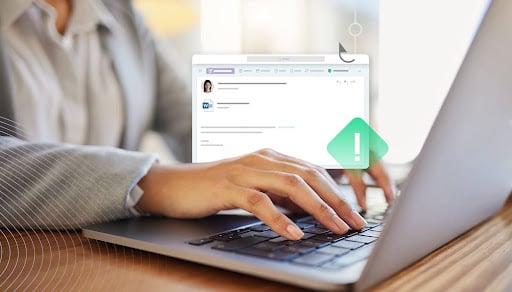
Email remains the number-one entry point for cyberattacks — and phishing 2.0 continues to evolve faster than many businesses can keep up. For years, organizations have been trained to spot obvious red flags like misspelled words, strange email addresses, or suspicious attachments. But in 2025, those “classic” warning signs are vanishing, replaced by advanced, AI-driven deception.
Artificial intelligence (AI) is now empowering cybercriminals to create phishing campaigns that look, sound, and feel completely legitimate. For small and mid-sized businesses across Idaho and the Intermountain West, this new wave of phishing attacks represents one of the biggest cybersecurity threats to date.
How AI is Changing Phishing Attacks
Traditional spam filters and training can’t always keep up with the sophistication of AI-generated phishing (phishing 2.0). Attackers are using automation and machine learning to craft messages that are nearly impossible to distinguish from genuine communication.
Here’s how AI is transforming phishing 2,0 in 2025:
-
Flawless Language and Grammar: AI tools like large language models produce polished, professional emails that mimic the tone of real corporate messages — no more obvious typos.
-
Personalized Spear Phishing: Attackers scrape social media and public data to personalize messages with real names, job titles, or even internal company lingo.
-
Deepfake Attachments and Vishing (Voice Phishing): AI can now create realistic audio or video clips of company leaders to pressure employees into sharing credentials or making payments.
-
Business Email Compromise (BEC): Attackers can hijack legitimate email threads and insert malicious links or invoices mid-conversation.
These innovations make phishing more dangerous than ever — and traditional cybersecurity awareness alone isn’t enough to stop it.
Read more on how to effectively use cybersecurity software: Read more.
Why Small Businesses Are Prime Targets
Small and mid-sized businesses often assume cybercriminals won’t bother with them, but that couldn’t be further from the truth. Modern phishing campaigns are automated, scalable, and easily targeted toward hundreds of small organizations at once.
Cybercriminals target small businesses because:
-
They typically have fewer security layers than larger enterprises.
-
Many rely on email communication for critical business operations.
-
Budgets for cybersecurity training and software are often limited.
A single phishing 2.0 email that tricks one employee into clicking a malicious link can unleash ransomware, data theft, or significant financial loss — outcomes that can cripple an Idaho business overnight.
How to Defend Against AI-Powered Phishing
Protecting your business from Phishing 2.0 requires more than spotting suspicious emails. Defense today means implementing layered, intelligent security controls that adapt as fast as attackers do.
1. Enable Multi-Factor Authentication (MFA)
MFA adds an extra layer of protection beyond passwords. Even if login credentials are compromised in a phishing attack, MFA can prevent unauthorized access.
2. Adopt AI-Powered Email Security
Modern email security platforms use AI to detect behavioral anomalies, scan for malicious links, and analyze sender authenticity — offering a critical defense against AI-generated phishing.
3. Provide Continuous Employee Training
Ongoing cybersecurity education ensures your employees can recognize the latest phishing techniques and respond appropriately. Simulated phishing exercises help reinforce these habits.
4. Implement Zero-Trust Security Policies
Assume every email, link, and login request could be a potential threat. Zero-trust access policies minimize the damage a successful phishing attack can cause by restricting permissions and verifying every action.
5. Establish a Clear Incident Response Plan
Even with strong defenses, an employee may eventually click a fraudulent link. Having a step-by-step response plan ensures your team acts fast to contain and recover from phishing incidents.
Want more guidance? Check out this blog from X Solutions: Read more.
Final Thoughts: Staying Ahead of Smarter Cybercriminals
The rise of AI means phishing is no longer a game of spotting poor grammar or shady URLs — it’s a sophisticated, psychological weapon powered by machine learning. Businesses that remain reactive are vulnerable; those that take a proactive IT approach are resilient.
At MOATiT, we help Idaho businesses stay ahead of evolving cyber threats with AI-enhanced email protection, automated phishing simulations, and continuous monitoring. Our cybersecurity experts can help you strengthen your defenses, train your team, and build a culture of awareness that keeps your organization secure.
 Ready to protect your business from smarter cybercriminals?
Contact MOATiT today for a free cybersecurity consultation and learn how to outsmart AI-driven phishing before it strikes.


